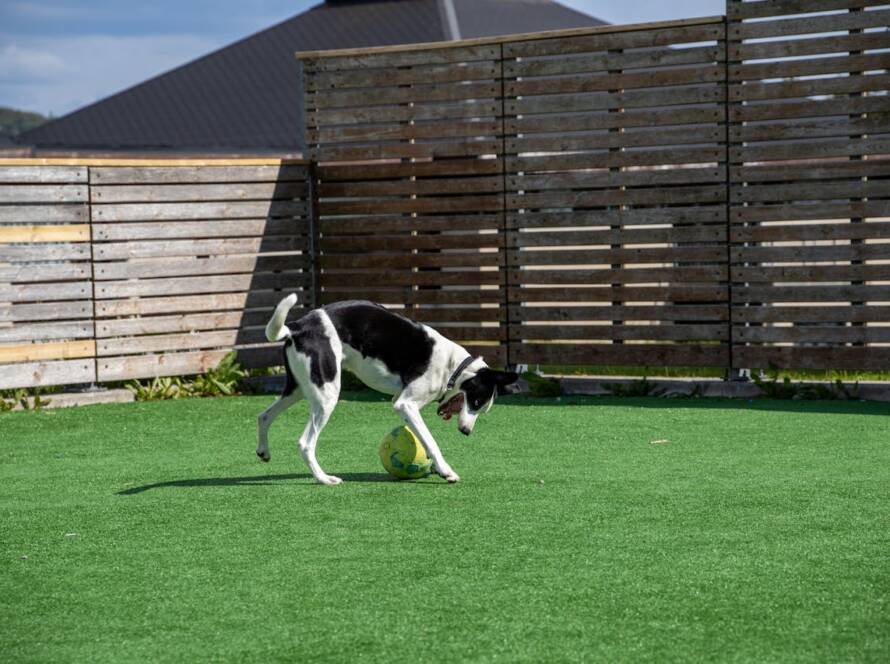
Keep Your Synthetic Lawn Storm-Ready All Season
Monsoon season in Lake Elsinore can flip from calm skies to loud afternoon storms in no time. Short, heavy downpours, fast-moving clouds, and the chance of flash flooding all put pressure on outdoor spaces. Even if your synthetic grass handles heat and sun with no problem, storm season is a different story.
When those big rain bursts hit, water has to move through your turf system quickly. If it does not, the backing, the base, and the drainage paths can suffer. That can mean ripples, soft spots, and smells you do not want in your yard or on your property.
In this guide, we walk through simple, local-focused synthetic turf maintenance in Lake Elsinore so your lawn, playground, pet area, sports field, or putting green stays safe, clean, and ready for whatever the monsoon clouds send your way.
How Monsoon Weather Impacts Synthetic Turf Systems
Lake Elsinore storms often bring a lot of rain in a short time, plus gusty wind. That mix can affect your turf in a few different ways:
- Intense rain in quick bursts that test how fast water can drain
- Standing water in low spots if the base or drainage is not right
- Windblown leaves, branches, and trash that collect on the surface
- Saturated ground around the turf that can shift soil near edges
When drainage is poor or installation was not done correctly, problems can show up fast. You might see:
- Puddling that does not clear within a few hours
- Turf rippling or wrinkling as the base shifts
- Infill moving away from high-traffic areas
- Musty odors or bacteria buildup, especially where pets use the turf
Premium, application-specific turf systems are designed to handle water and heavy use, but they still need basic care in storm season. A little attention before and after each big rain can help keep your turf performing the way it should.
Pre-Monsoon Prep for Trouble-Free Turf
Before the first big storms roll through, a simple inspection makes a big difference. Walk your turf areas and look closely at:
- Edges along curbs, fences, and planters
- Seams where two pieces of turf meet
- Spots that look slightly lower or softer than the rest
Pay special attention to slopes and areas next to hardscape. If you notice small washouts near borders or loose edging, that is a sign that water is already starting to move the base.
Next, look at where storm water goes when it leaves the turf. Make sure:
- Yard drains, grates, and catch basins are clear of leaves and dirt
- Swales and shallow channels are open and not blocked by mulch or rock
- French drains, if you have them, are not buried under debris
- Water flows away from your home or building foundation
It also helps to trim back trees and shrubs around the turf. Less leaf litter and fewer small branches mean less organic material to clog drainage and mat down fibers when heavy rain hits.
Smart Synthetic Turf Maintenance During Storms
When a strong storm passes, give your turf a quick check once it is safe to go outside. You do not need to rush out in the rain; waiting until the storm has moved on is fine.
- Standing water that lingers more than a few hours after the rain stops
- Areas where the infill looks thin or washed away
- Edges or seams that appear lifted or out of line
For cleanup, gentle tools work best. You can use:
- A plastic leaf rake to pull off leaves and small branches
- A leaf blower on a low setting to move dry debris off the surface
- A stiff broom to push loose material toward a collection point
Avoid sharp metal rakes, as they can damage fibers or backing.
In pet areas and playground zones, sanitation is extra important during wet weather. Try to:
- Remove solid pet waste as quickly as you can
- Rinse affected spots with a garden hose
- Use turf-safe disinfectants or enzyme products when needed
- Allow the area to fully drain and dry between storms if possible
Clean, dry turf not only smells better; it also feels safer and more comfortable for kids and pets.
Post-Storm Recovery and Odor Prevention
Once the weather settles for a bit, it is a good time to bring your turf back to its best shape. A simple post-storm routine might include:
- Brushing fibers upright with a power broom or stiff push broom
- Working against the grain in a few directions for an even look
- Gently redistributing infill into bare or low-traffic areas
- Lightly leveling minor sunken spots at the surface
Good airflow and proper drainage are your strongest tools against mildew and odor. Try to keep nearby plants trimmed so air can move across the turf, and keep drains and borders clear so water does not sit.
For pet-use zones, you may want to use:
- Turf-safe deodorizers designed to absorb smells
- Enzyme cleaners that help break down organic waste
These products can help when storms hit right after heavy pet use.
Some issues are signs that you should bring in a professional, such as:
- Puddles that keep showing up in the same place
- Visible base washout or sinking near edges
- Turf edges that keep lifting after you smooth them down
- Strong, recurring odors that do not improve with cleaning
These usually point to deeper drainage or installation problems that need expert eyes.
Seasonal Care Tips for Different Turf Applications
Different turf spaces have different needs during monsoon season.
For residential landscapes, focus on:
- Keeping walkways and entries clear of mud and debris
- Watching how runoff moves between turf and hardscape
- Brushing high-visibility areas to keep curb appeal sharp
In pet areas and dog runs, extra cleaning goes a long way. Try to:
- Remove solid waste quickly, even during busy weeks
- Rinse high-use spots after storms
- Check for displaced infill in your pet’s favorite paths or corners
Playgrounds, sports fields, and golf greens benefit from a more detailed routine. Regular attention helps protect traction, safety, and play quality. Key tasks include:
- Brushing to keep surfaces even and shock-absorbing
- Watching for thin infill in heavy-use zones like goal mouths or tee areas
- Smoothing any minor surface waves that show up after heavy rain
When DIY Is Not Enough: Professional Monsoon Checkups
There are times when a quick rake and rinse are not enough. A professional monsoon checkup can help uncover issues below the surface that are easy to miss from above.
A professional turf maintenance service may include:
- Detailed inspection of seams, edges, and transitions
- Review of how well the base and drainage are working
- Deep cleaning to remove trapped debris and organic material
- Power brushing to lift fibers and even out infill
- Minor repairs before they turn into bigger problems
ForeverLawn Pacific Coast focuses on application-specific synthetic turf systems for local homes and properties, so we understand how Lake Elsinore’s storm patterns affect different types of turf spaces. With regular expert care, your turf can stay attractive, safe, and ready for both dry days and monsoon storms.
Get Started With Your Project Today
If you are ready to protect your investment and keep your lawn looking its best year-round, let our team handle your synthetic turf maintenance in Lake Elsinore. At Foreverlawn Pacific Coast, we tailor maintenance plans to your specific turf, usage, and goals so you get consistent results without the guesswork. Reach out today through our contact page to schedule a consultation or ask questions about your existing installation.