Make Summer Easier on Your California Lawn
Hot, dry summers are hard on any lawn in California, and the stress usually starts to build by late June. Water rules get tighter, natural grass struggles, and many yards turn patchy or dusty right when everyone wants to be outside more. That is a big reason people start looking at artificial turf for hot weather in California.
But not all turf has to survive the same conditions. A yard near the beach deals with salt air, fog, and sudden storms. A yard in the Central Valley or inland hills faces intense heat, long sunny days, and dust. Those differences really matter. When we design turf systems, we pay close attention to each site and match the materials to that microclimate, so you get a lawn that looks good and works well for the long haul.
How Coastal and Inland Microclimates Stress Turf
Coastal and inland areas can feel like two different states. Along the Pacific Coast, the marine layer rolls in, air stays humid, and temperatures are usually milder. Inland, afternoons can be blazing hot with dry air and stronger sun.
Here is how that affects synthetic turf systems:
- Heat buildup on the surface
- UV exposure that breaks down fibers over time
- Salt and moisture attacking the backing and seams
- Heavy rain putting drainage and base design to the test
On the coast, salty air can attack some backing materials and any exposed metal parts. Humidity and morning fog leave turf wet for long stretches. If the backing and base are not designed for drainage, that trapped moisture can lead to odors and a messy surface.
Inland, the stress is different. Strong sun can fade low-quality turf fibers or make them brittle. Dry heat can make the surface feel uncomfortable under bare feet or paws. If the turf flattens out, it loses that natural look and soft feel, especially in high-use areas like play spaces and side yards.
When turf is not matched to its microclimate, people tend to notice the same problems:
- Surfaces that feel too hot to use in the middle of the day
- Faded or stiff fibers that no longer look like grass
- Backing that breaks down faster than expected
- Odors from poor drainage and trapped moisture
Beating the Heat Inland with Smarter Turf Systems
For inland areas like the Central Valley, inland foothills, and inland parts of Southern California, heat is the main enemy. You want artificial turf for hot weather in California that is built to stay cooler, hold its color, and keep its shape.
Some smart heat-mitigation features to look for include:
- Lighter fiber and thatch colors that reflect more sunlight
- Infill blends designed to release heat instead of holding it
- Backing systems that allow air to move and heat to escape
Fiber quality matters too. We focus on turf that uses high-quality polyethylene yarns with strong UV protection built into the fibers. Denser construction can also help turf resist matting and flattening. That is important around play equipment, walkways, and pet paths where feet hit the same spots over and over.
Design choices play a big role with inland projects. We often:
- Balance pile height to get a soft feel without trapping extra heat
- Plan shade using trees, pergolas, or structures where possible
- Think ahead about how kids and pets will use each area
Around play areas and pet zones, we pay close attention to safety. Cooler infills, good drainage, and consistent footing help reduce slips and keep surfaces more comfortable throughout long, hot afternoons.
Protecting Turf From Coastal Salt, Fog, and Storms
Along the coast, salt, humidity, and storms are the main stress points. Salt air can be tough on cheaper turf systems. Over time, it can speed up the breakdown of lower-quality backing and any inferior components, especially where there are seams or edges.
High humidity and frequent fog keep turf damp for longer periods. If water does not move through the system quickly, that moisture can sit in the base and backing. This can lead to:
- Musty odors
- Slippery surfaces
- More frequent cleaning needs
We focus on turf materials that handle these coastal challenges well. That includes backing that is highly permeable, so water moves through fast instead of pooling on top. Yarn systems with strong UV stability and good resistance to salt and moisture help the turf fibers stay softer and more natural-looking.
Drainage and base design are especially important near the Pacific Coast. Coastal storms can drop a lot of rain in a short time, and many yards have some slope or sandy, shifting soil. We look carefully at:
- Slope and how water currently flows on the property
- Soil type and how quickly it drains
- Where runoff needs to go so it does not cause erosion or puddles
With the right base materials and a high-flow backing, turf can drain efficiently, even during heavier coastal downpours. That keeps the surface cleaner, reduces standing water, and helps the whole system last longer.
Pet Areas, Schools, and Sports Fields in Both Microclimates
Different types of spaces place different demands on turf, and that is true on both the coast and inland. A small pet yard has very different needs from a school play area or a sports field.
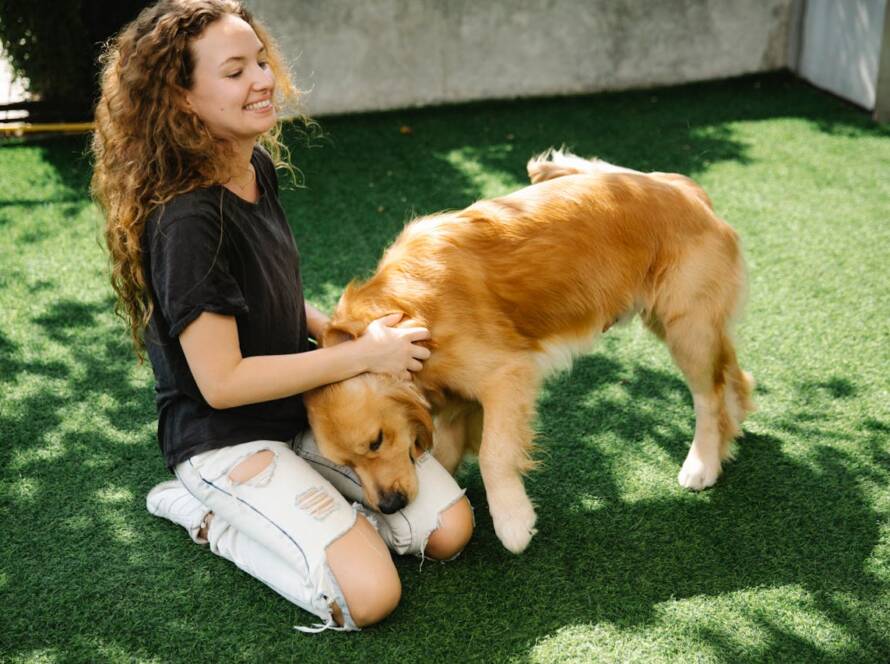
For pet areas, drainage and cleanliness come first. We focus on systems that:
- Drain quickly to move liquid waste away from the surface
- Work well with regular rinsing and cleaning routines
- Support antimicrobial strategies to help manage odor
Heat and humidity also affect pet turf. In inland heat, surfaces need cooler infills and good airflow so paws stay more comfortable. In coastal humidity, fast drainage is key to keeping odor and bacteria under better control.
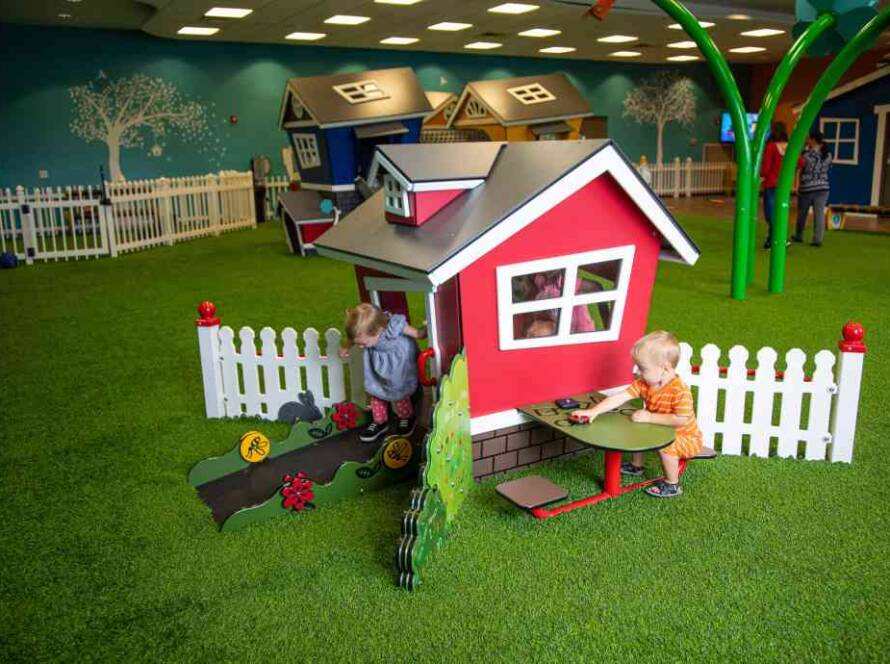
For schools and sports fields, safety and consistency are the big priorities. Turf needs to handle:
- Heavy, repeated traffic without flattening too fast
- Morning moisture near the coast without becoming too slick
- Strong inland sun while still giving secure footing and cushion
Application-specific turf systems are especially important here. The right infill and underlayment can help with impact attenuation and comfort, while the correct fiber and backing choices keep the field playable in different microclimate conditions.
Choosing the Right Artificial Turf for Hot Weather in California
With so many products available, it helps to have a simple checklist when you are comparing options. For both coastal and inland properties, we suggest paying close attention to:
- UV protection and warranty details
- Heat performance and infill type
- Drainage rate and backing design
- Fiber quality and density
- Whether the system is tailored to your specific use
At ForeverLawn Pacific Coast, we start with a site assessment. We look at sun exposure over the day, shade patterns, and wind direction. We consider how close you are to the ocean, how your property slopes, and what is going on under the surface, like existing soil conditions or hardscape.
All of this helps us recommend a turf system that works with your microclimate instead of fighting against it. Quality materials and professional installation matter a lot, especially in tough environments. When the wrong turf fails, it can be disruptive and frustrating. When the right turf is chosen from the start, your yard, play area, pet run, or field stays more usable, more comfortable, and more enjoyable through many long California summers.
Get Started With Your Project Today
If you are ready for a cooler, low-maintenance yard that stands up to extreme temperatures, we can help you choose the right artificial turf for hot weather in California. At Foreverlawn Pacific Coast, our team will walk you through design, product options, and installation so your outdoor space performs beautifully all summer long. To discuss your project, timeline, and budget, simply contact us and we will follow up with next steps.