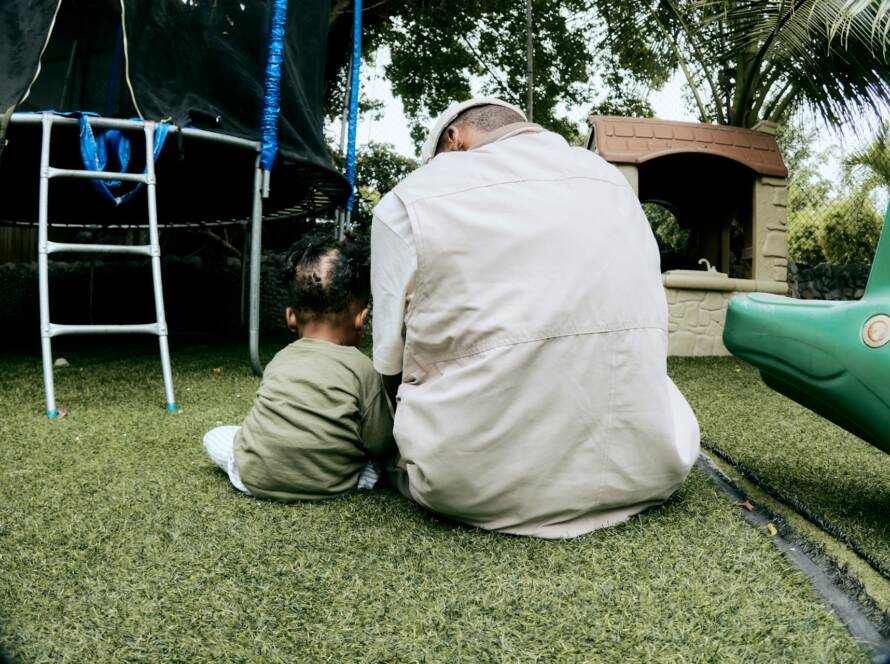
More Open Days Begin with a Stronger Park Surface
Park closures can throw off more than a weekend game. Families lose a place to play, sports leagues must rearrange practices, and community events may need to move or cancel. Across California, public parks often deal with heavy foot traffic, worn grass, drought conditions, and seasonal rain that leaves natural fields muddy or uneven.
We see artificial turf as a practical option for making park spaces more dependable throughout the year. A professionally planned system can provide a consistent appearance and a reliable surface while reducing many of the regular demands tied to natural grass. Still, every park is different. Usage, drainage, local requirements, accessibility routes, and planned activities should all shape the final design.
Reduce Rain Delays with Artificial Turf for Parks in California
Fall rain can quickly expose weak spots in a busy park. Natural grass fields may develop standing water, slick patches, muddy sidelines, and soft areas that need time to dry out. When that happens, park staff may need to limit access to protect visitors and prevent further damage.
Artificial turf for parks in California can be built with drainage layers that help move water through the surface more efficiently. Proper grading, excavation, and base preparation matter just as much as the turf itself. When these pieces work together, the finished area can stay more stable after rain and return to use sooner than a saturated natural grass field.
This can be especially helpful in multiuse parks where several activities share the same space, including:
- Youth sports practices and games
- Fitness classes and camps
- Dog walking and pet relief areas
- Weekend gatherings and holiday events
A turf surface does not remove the need for weather-related safety decisions. Severe storms, lightning, flooding, or site damage can still require temporary closures. Even so, a well-installed system may reduce the long recovery period that follows repeated rain and heavy use on natural grass.
Give High-Use Areas a Reliable Surface
Certain park areas wear down faster than others. Goal mouths, sidelines, playground entrances, picnic spaces, and walking paths between parking lots and fields often receive the most traffic. With natural grass, those areas can become thin, uneven, dusty, or muddy depending on the season and how often they are used.
By installing turf in the right places, we can help create a more even surface for everyday activity. Unlike natural grass, synthetic turf does not need downtime to regrow after a busy weekend. That can make it a smart choice for parks that host sports, informal play, school activities, and community programs with little break between them.
Not every turf product is meant for the same job. During planning, we recommend matching the system to the use of each area. Important design details may include:
- Fiber height and turf density
- Infill type and amount
- Drainage needs beneath the surface
- Padding for playground or activity areas
- Edge details and transitions to paths or hardscape
Sports fields, pet areas, playgrounds, and decorative park spaces all have different needs. Choosing a system based on how people will actually use the area helps support better long-term performance.
Support Safer Use and Simpler Park Maintenance
A clean, level surface can help reduce common problems tied to worn natural grass. Exposed dirt, divots, uneven patches, and muddy walkways can make a park look neglected and may create trip concerns for visitors. Professional installation helps create a stable surface that holds up better under regular use.
Maintenance can also look very different with synthetic turf. Parks may reduce mowing, fertilizing, reseeding, and irrigation needs, giving maintenance teams more time for other responsibilities. Equipment upkeep, trail care, trash removal, landscaping, and cleaning public amenities all compete for attention in an active park system.
That said, turf is not maintenance-free. We encourage park managers to plan for regular care so the surface continues to look good and perform as intended. Ongoing care may include debris removal, brushing, spot cleaning, seam checks, and infill maintenance. Pet areas, food event spaces, and heavily used recreation zones should also have clear cleaning procedures to keep the park welcoming for everyone.
Plan Around Fall Rain and Site Conditions
November is a useful time to take a close look at park drainage. Early seasonal rain can reveal low spots, runoff paths, compacted soil, and sections where grass repeatedly struggles. Those observations can help guide a better design instead of simply covering a problem that starts below the surface.
When we assess a site, we look beyond the visible turf layer. Long-term results depend on how the full area is prepared, including excavation, base materials, drainage planning, curbing, accessibility routes, and transitions to nearby sidewalks or other hardscape. A beautiful turf surface needs the right support underneath it.
Fall and winter planning may also help park leaders prepare for busy spring and summer recreation schedules. A phased installation plan can limit disruption for league play, school breaks, holiday gatherings, and other public events. Careful timing gives decision-makers a chance to choose application-specific materials and address site concerns before the park’s busiest months arrive.
Keep Community Spaces Ready for Every Season
Artificial turf can help parks stay more usable through rain, heavy traffic, and year-round recreation. For many communities, the best starting point is identifying why certain areas close again and again. Is it poor drainage, bare grass, muddy traffic routes, or constant field wear? The answer can point to the spaces most likely to benefit from a professionally designed turf system.
A thoughtful plan should balance durability, safety, drainage, accessibility, and the way people enjoy the park. When those details are considered early, community spaces can remain cleaner, more consistent, and better prepared for sports, play, gatherings, and everyday use.
Build a Park Surface That Works Harder
At ForeverLawn Pacific Coast, we help communities choose artificial turf for parks in California that supports dependable use across play areas and shared spaces. Our team can help you evaluate surface needs, safety priorities, and long-term maintenance goals. Ready to discuss your park project? Contact us for a tailored recommendation.