Safer, Greener Campuses All Year in Orange County
Keeping school fields green in Orange County is not easy. Natural grass struggles with heavy use, tight irrigation rules, and long, sunny days. Many campuses end up with dusty bare spots, muddy corners, and fields that are closed right when students want to play most.
Synthetic grass offers another way. With the right system, schools can keep play areas and sports fields looking clean and ready almost every day of the year, even after summer programs and before fall sports kick off. Students get consistent space to move, and campuses look welcoming for families and the community.
As a local synthetic turf installer, we understand how important safety, durability, and budgets are for school districts. In this article, we will walk through why synthetic grass for schools in Orange County is getting more attention, what to think about for student safety, how to plan for heavy use, and how to care for turf so it lasts for many school years.
Why Synthetic Grass Makes Sense for Local Schools
Orange County schools juggle a lot. Grounds teams work with limited irrigation, crowded fields during PE and recess, and pressure to keep campuses looking good for tours, events, and back-to-school nights. Natural grass often cannot keep up with that kind of daily stress.
Quality synthetic turf can help by offering:
- A consistent play surface that does not turn to mud after watering or rare rain
- Fewer puddles and dusty patches that lead to closed fields
- Cleaner walkways and classrooms, with less dirt tracked inside
- Green, manicured areas that look cared for all year
There is also a long-term savings side. With synthetic grass, schools can reduce:
- Water use compared to irrigated natural grass
- Time spent mowing, edging, and reseeding
- Repairs after big events, carnivals, or tournaments
Many districts also care about environmental goals. Using synthetic grass for schools in Orange County helps:
- Cut down on daily irrigation, especially in the hot late summer months when water use is already high
- Reduce the need for fertilizers and some weed-control products
- Lower the number of gas-powered mowing hours on campus
When fields stay open more often, students get more chances for movement, which supports focus and learning in the classroom. That is a win for both facilities teams and teaching staff.
Designing Safer Play and Sports Areas for Students
Safety is always the first priority for school sites. When it comes to playgrounds and fields, the surface under students’ feet matters just as much as the equipment or the sport itself.
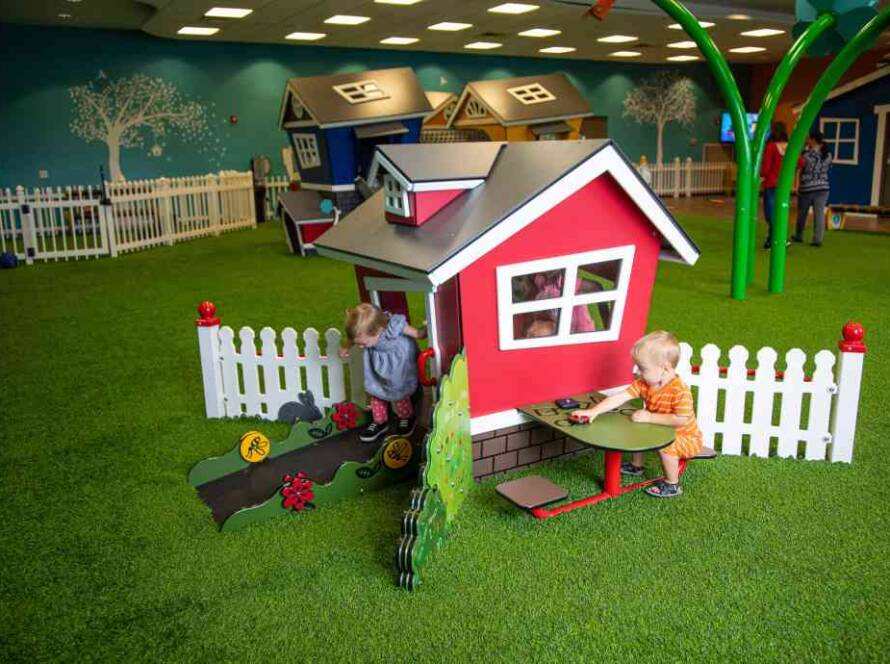
For play areas, impact attenuation and fall protection are key. Many schools look for systems that help them line up with IPEMA and ASTM guidelines for playground surfacing. A quality synthetic turf system for play spaces usually includes:
- A soft, shock-absorbing underlayer to help with falls
- Turf designed to stay stable and not bunch or wrinkle
- Proper drainage so water does not pool under swings or slides
Not all turf is the same. Different areas of campus often need different products:
- Playground turf: extra safety padding, shorter pile height, and good drainage
- Multipurpose sports turf: durable fibers that can handle cleats and constant running
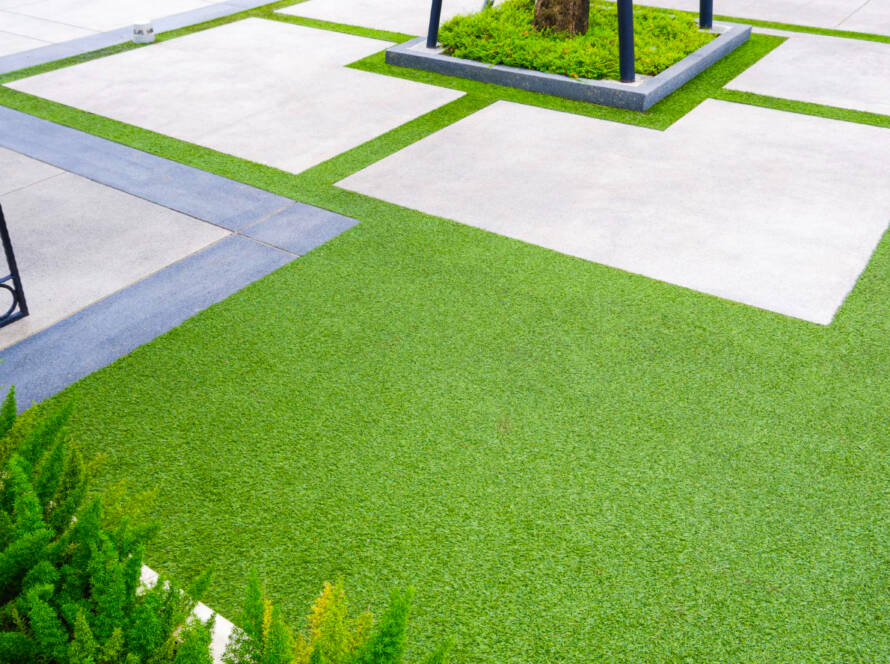
- Landscape turf: for courtyards, reading areas, and around buildings
Age groups matter too. A TK to 5 play yard might call for more padding and a softer surface. Middle and high school areas may focus more on traction, ball roll, and durability for sports and PE.
Accessibility is another important factor. Properly installed synthetic grass can:
- Offer smoother travel for wheelchairs and walkers
- Make it easier for strollers and carts to move across fields
- Help create more inclusive play and gathering areas
Heat and comfort also need attention. On sunny late summer days, smart design choices can help manage surface temperatures, like:
- Choosing lighter turf colors where it makes sense
- Selecting infill material with better heat performance
- Adding an underlayment that supports airflow
- Planning shade structures or trees near high-use play zones
When all of these pieces work together, students get safe, comfortable spaces that welcome every kid to join in.
Maximizing Durability for High-Traffic School Campuses
School fields and play areas get a workout. From PE classes and recess to after-school sports and community events, the turf never really gets a day off. Planning for this level of use starts during design.
Key choices that affect durability include:
- Fiber type, such as shaped blades that spring back better under heavy traffic
- Face weight, or how much yarn is packed into each square foot
- Infill type and depth, which support the fibers and impact feel
For multi-use fields, smart layout is just as important as materials. A single synthetic turf field can support:
- Soccer, football, lacrosse, and other field sports
- Marching band practice and school events
- Informal student play before and after school
Thoughtful striping, zone planning, and traffic flow help reduce heavy wear in one single area. Extra reinforcement is often added around:
- Goal mouths and sideline areas
- Field entrances and exits
- Paths that students use to cross fields
Strong seams and backing systems are especially helpful in school settings, where hundreds of students can cross the same seam every day.
Timing the project also matters. Many schools choose to install or refresh turf during summer or longer holiday breaks. This helps:
- Avoid field closures during key sports seasons
- Give crews room to work without daily student traffic
- Ensure new fields are ready when students return
Smart Maintenance Strategies for Long-Lasting Turf
Synthetic grass is low maintenance but not “no” maintenance. Simple care routines keep surfaces looking good and performing well year after year.
Daily or weekly tasks that school custodial or grounds teams can handle include:
- Removing trash, leaves, and loose debris
- Spot checking high-use areas such as gates and goal mouths
- Light grooming or brushing in busy zones to keep fibers standing up
Professional maintenance adds another layer of care. Scheduled visits can include:
- Deep cleaning to remove fine dust and hidden debris
- Infill leveling and top-offs where material has moved
- Lifting matted fibers so the turf looks and plays more like new
Hygiene is a common question for schools. Good practices often include:
- Quick cleanup of spills and bio-contaminants using approved products
- Rinsing areas that see frequent use by pets or local wildlife
- Watching for standing water so that bacteria and odors do not build up
Training and tools also matter. Giving staff basic instructions and the right equipment, such as proper brushes and cleaning agents, helps protect the school’s investment and prevents accidental damage from the wrong machines or harsh chemicals.
Planning Your Campus Upgrade with Synthetic Grass
A successful turf project for a school starts with a clear look at how the campus moves every day. A helpful first step is a walk-through to note:
- Which fields close most often and why
- Where students gather, cut corners, or create dirt paths
- Playgrounds with older surfacing or standing water issues
- Courtyards or shaded corners that could become outdoor learning or study zones
From there, districts can prioritize projects by safety impact, student use, and budget. Some campuses start with one main field or a key playground, then add more areas over time.
Working with a specialized turf installer that understands local conditions in Orange County can make the process smoother. A knowledgeable partner can help with:
- Drainage planning, especially on older campuses
- Choosing the right turf and underlayment for each area
- Safety surfacing options under play equipment
- Coordinating with district processes and timelines
Planning projects around summer or longer breaks keeps disruption low and helps ensure new synthetic grass for schools in Orange County is ready for back-to-school nights and events and fall sports. With the right design, installation, and care plan, campuses can give students green, safe, and inviting spaces that support learning, play, and school pride all year long.
Give Your Students -a Safer, Cleaner Place to Play
Transform your campus play areas with durable, low-maintenance synthetic grass for schools in Orange County designed to stand up to daily use. At ForeverLawn Pacific Coast, we focus on safety, cleanliness, and long-term performance so your staff can spend less time on upkeep and more time supporting students. If you are ready to explore options tailored to your school, reach out and contact us to schedule a consultation today.