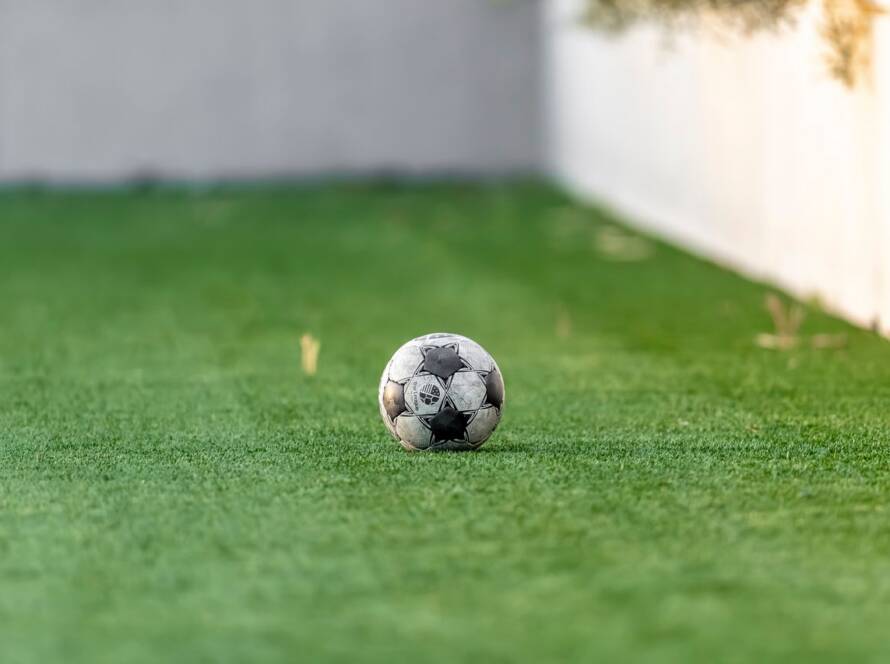
Make Your Turf Disappear Into the Landscape
Natural-looking artificial grass in California is not about bright green plastic anymore. Homeowners and property managers want lawns that blend into the yard, match nearby plants, and fool the eye from the street or patio. With water limits, high bills, strict HOAs, and year-round outdoor living, people want low-maintenance turf that still feels like real grass.
The secret is not just picking a product with a nice sample card. The real magic comes from a series of choices: pile height and blade shape, thatch color blending, seam layout and installation, plus the right infill. When these pieces work together, the turf disappears into the space instead of shouting, “I am fake.” In Southern California, with our bright sun, coastal air, and mix of homes, businesses, and play fields, getting those details right matters a lot. At ForeverLawn Pacific Coast, this is what we focus on every day.
Dialing in Pile Height and Blade Shape for Local Realism
In different parts of California, people are used to seeing different types of grass. Some areas lean toward fine fescue and ryegrass, others toward thicker warm-season blends. If your turf looks nothing like what people expect in your neighborhood, it will stand out for the wrong reasons.
When we design a turf system, we look at things like:
- What natural grass types are common nearby
- Whether the space is a front yard, side yard, dog run, or commercial area
- How close people will be when they see and touch the grass
Shorter pile heights can feel more like tightly mowed grass, which works well for high-traffic areas, pet spaces, and commercial zones. It handles wear better and tends to stay upright. Taller pile heights can give a softer, lusher look that feels great under bare feet in a backyard. They can cast tiny shadows between blades, which adds depth and makes the turf read as more natural, especially in bright sunlight.
Blade shape matters just as much as height. Different profiles change how the turf looks, feels, and even how hot it gets:
- Micro curved blades can soften shine and spread light for a more natural tone
- W and C shapes can help the blades spring back after use and lower glare
- Spine-reinforced profiles can support taller blades so they do not flop over
In California sun, light reflection is a big deal. Blade shapes that bounce light in many directions can help avoid that glossy, plastic look and keep color more consistent across the day.
Thatch Color Blending That Mimics Real Life
Real lawns are not one flat shade of green. If you look closely, you always see a layer of tan or brown thatch at the base, along with some faded or darker blades mixed in. When artificial turf skips this detail, it tends to look like flat green carpet.
Good thatch design adds those subtle, messy tones on purpose. By mixing several greens with beige, straw, and even a soft olive color, the turf gains:
- Depth at the base of the blades
- Gentle color shifts that feel like natural growth
- Little “imperfections” that trick your eye from every angle
In strong Southern California daylight, these blends matter. A single-color turf can look fake as soon as the sun hits it. A smart mix lets the grass hold up under direct sun, early morning light, and even evening landscape lighting.
We also pay attention to where the turf will live. A coastal yard with native plants and succulents might look better with slightly cooler greens and more muted thatch. An inland home next to mature trees and shrubs might call for warmer greens and richer straw tones. As seasons change and surrounding plants get brighter or more golden, that thoughtful thatch mix helps the turf stay in harmony with everything around it.
Seam Strategies That Make Large Areas Look Seamless
Nothing gives away artificial turf faster than a shiny straight seam running across the yard. The way we plan and install seams can change how real the whole area looks.
Before we cut a single piece, we study:
- Where people will stand, sit, and walk
- Main sightlines from windows, doors, and patios
- How the space breaks up around pools, play sets, or walkways
The goal is to place seams where the eye does not naturally focus. That might mean tucking them along a curve, near a border, or behind a planter bed. We also keep all turf pieces running in the same grain direction, so the blades lean the same way. When pieces are flipped or rotated, color can shift and seams pop out.
Light direction matters too. In California, shadows can be sharp. By considering how the sun falls during the hours you use the space most, we can line up seams so they are less visible in that primary view. On the technical side, we rely on:
- Clean, accurate trimming so pieces marry together tightly
- Quality seam tape and adhesives for long-term stability
- Staggered seams instead of one long line across the yard
- Detailed brushing to blend fibers over the seam line
Poor seam work makes even high-quality turf look cheap. Careful seam planning does the opposite, giving large areas a soft, continuous look.
Infill Choices That Control Feel, Color, and Shine
Infill is the material that sits between the blades of turf. Many people think it is only there to weigh the system down, but it affects how the turf looks, drains, and feels every day.
Infill choice influences:
- How soft or firm the surface feels underfoot
- How well the blades stay upright instead of matting down
- How much shine or glare shows in full sun
- How quickly water passes through to the base below
Traditional silica sand is common, and in some settings it works fine. Coated sands can add benefits like improved performance, better color, or cooler surface temperatures. There are also specialty infills that focus on things like cooling or odor control, which can be very helpful in pet zones or busy play spaces.
In Southern California, where yards see a lot of use and a lot of sun, we often look at combining infills and fine-tuning the depth. A slightly deeper infill layer can support taller blades and help them move more like natural grass instead of lying flat. The right color of infill can also keep the base from looking too bright, which helps avoid that plastic glare.
By mixing products and adjusting placement, we can:
- Keep high-traffic areas stable while softening lounge zones
- Support drainage on sloped spaces
- Help the lawn age with gentle, realistic wear patterns
All of this makes the turf feel less like carpet and more like a living lawn that just happens to stay green.
Partner with Experts to Get a Lawn That Fools the Eye
Natural-looking artificial grass in California is never about one single choice. Pile height, blade shape, thatch color blend, seam layout, and infill all work together as one system. When those pieces are chosen for your exact space, sun, and use, the result is a lawn that blends into the surroundings and still performs day after day.
Local knowledge makes a big difference. Understanding how the sun hits your yard, how the soil sits under the base, how kids or pets use the space, and how the area ties into your overall design helps create turf that looks right at home. At ForeverLawn Pacific Coast, we focus on those details so your synthetic turf can pass the “second look” test and feel like it belongs in your Southern California outdoor life.
Get Started With Your Project Today
Transform your yard into a space you enjoy every day with our premium installation of natural-looking artificial grass in California. At Foreverlawn Pacific Coast, we take the time to understand how you use your outdoor space so we can recommend the right product and design. If you are ready to explore options, schedule a consultation or ask questions through our contact page today.