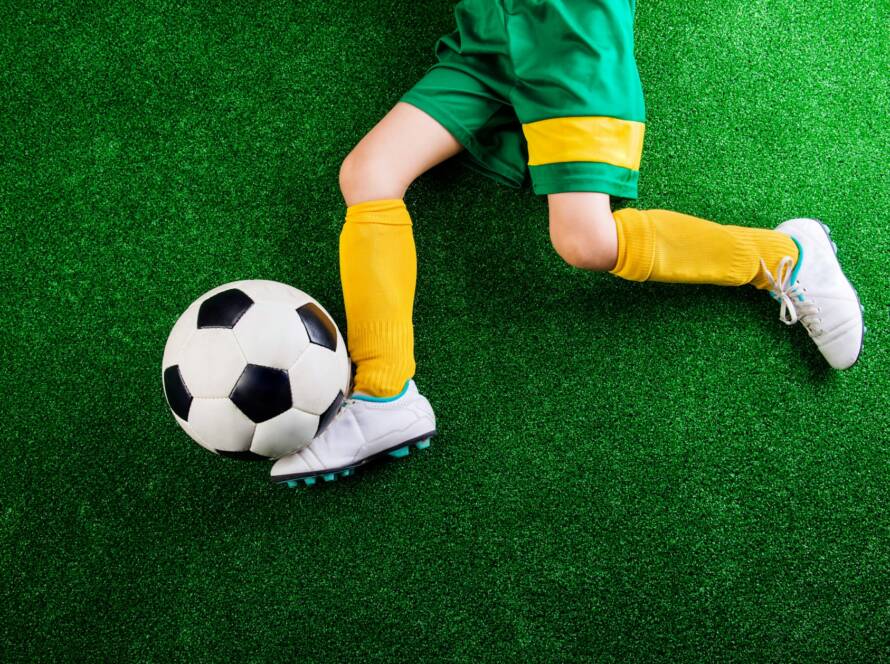
Youth sports, family picnics, and weekend pick-up games fill Los Angeles parks once school is back in session. But many parks also hit the same wall every year: soggy grass, taped-off areas, and muddy holes where kids are supposed to play. Those muddy spots are not just annoying; they cut into field time and create safety issues right when people want the space the most.
Those puddles and bare patches are usually a sign that the ground is not working the way it should. Soil gets packed tight, water has nowhere to go, and traffic keeps beating up the same zones. The good news is that there is a systems-based way to fix it for the long term. By pairing artificial turf for parks in Los Angeles with a strong subbase, smart grading, French drains, and better traffic planning, we can turn muddy messes into clean, all-weather play areas.
Stop Dodging Mud Puddles and Closed Park Signs
Late summer in LA means full parking lots at local parks, league practices kicking off, and families looking for open green space. It also often means:
- “Field Closed” signs hanging on fences
- Cones blocking slippery goal mouths
- Kids tracking mud into cars and homes
Those repeated closures are not just bad luck. They usually show that a park is fighting the same hidden issues over and over. Quick fixes like throwing down seed, sand, or mulch rarely last, especially in high-use areas.
A better approach is to treat the surface, the base, and the drainage as one system. When we design turf, subbase, and drainage together, we are not just hiding mud. We are changing how water moves, how the surface handles traffic, and how long the field stays playable.
Why Los Angeles Parks Develop Chronic Mud Zones
Most chronic mud starts with compacted soil. Over time, activities like:
- Heavy foot traffic from games and practices
- Repeated mowing and maintenance equipment
- Constant use around play structures and dugouts
press the soil particles closer and closer together. When that happens, there is less space for air and water. Rain or irrigation sits on top instead of soaking in, and those repeated wet-dry cycles break down natural turf.
Los Angeles adds some special stress on top of that. Long, hot, dry stretches mean irrigation systems often run at night or early morning. If the water schedule does not match the soil and turf type, some areas stay thirsty while low spots get soaked.
Then the rare but intense storms hit in late fall and winter. Those quick, heavy rains can overwhelm compacted soil and older drainage systems in minutes. Problems get even worse when:
- Grading sends water toward low pockets instead of drains
- Catch basins are clogged with leaves and trash
- Turf species do not match the shade, traffic, or irrigation pattern
Those low areas turn into regular mud pits. Fields stay closed longer after storms, and maintenance teams spend more time patching than improving.
Diagnosing Hotspots Before Designing a Retrofit
Before anyone starts talking about turf rolls or base rock, it is important to really understand what is going on underfoot. A simple field assessment can reveal a lot.
We start with a visual map. Walk the park and note:
- Where puddles form and how long they last
- Bare, slick, or rutted spots
- Brown, thin, or heavily trampled turf strips
Then we look below the surface. Pushing a screwdriver, probe, or penetrometer into the ground shows how tight the soil is and how deep the compaction goes. Digging small test pits at problem areas helps us see layers of soil, thatch, roots, and any existing base materials.
Watching water behavior is just as important as looking at dirt. During irrigation or after a rare LA shower, pay attention to:
- Where water collects and stays
- How fast it disappears
- Whether it runs toward sidewalks, buildings, or neighboring properties
At a certain point, it helps to bring in professionals who do this every day. A team like ours can look at subgrade stability, old drains, utility locations, and even user patterns. We want to know where teams warm up, where parents stand, and where pets cut across so the design matches real use, not just a blueprint.
Engineering a Turf, Subbase, and Drainage System That Works
Strong artificial turf for parks in Los Angeles depends on what is underneath it. A well-built system is layered so that each part does a specific job while working together.
A typical section might include:
- Compacted and shaped subgrade
- Geotextile fabric to separate soil and base rock
- Engineered aggregate base for strength and drainage
- Optional shock pad for added safety in certain zones
- Turf and infill that match the use of the area
Subbase design is not one-size-fits-all. Playgrounds, dog areas, and multipurpose fields have different demands. For example, a high-impact play zone may need a thicker base and pad to help with fall protection, while a sideline or picnic strip may focus more on quick drainage and comfort.
French drains and perforated drain lines are key tools for stubborn wet spots. By cutting trenches, adding graded rock, and installing perforated pipe, we create hidden pathways that collect water and move it away before it can build up at the surface.
Grading ties everything together. Slopes must be subtle enough to feel level and meet ADA access needs, but still move water where it should go. We also think about edge control with concrete, curbing, or other restraints. That helps keep the base locked in, prevents turf creep, and protects seams over time.
Smart Pathing and Pet Zones to Protect High-Traffic Areas
Even the best system can struggle if people and pets always push traffic into the same weak points. We like to study desire lines, those natural paths that users create when they cut corners or seek the quickest route.
Once we understand those patterns, we can:
- Place reinforced walkways where people already walk
- Set clear sidelines and viewing areas for teams and families
- Adjust gate locations or openings to spread out traffic
Special zones like dog runs, pet relief areas, and playground entrances need extra planning. These spots bring higher wear, more frequent cleaning, and in pet spaces, odor concerns. With the right turf products and base design, we can keep these areas draining well while standing up to daily use and regular rinsing.
Hardscape and site furnishings also play a big role. Concrete or paver paths, benches, trash cans, and simple signage help guide people without feeling strict or limiting. Low-maintenance planting beds or raised edges can define spaces, protect turf borders, and keep people from drifting back into old muddy paths.
Turn Muddy Park Problems Into Year-Round Play Spaces
Muddy hotspots rarely fix themselves. Spreading seed, laying straw, or dropping a little sand may work for a short time, but those same bare patches usually come back once the next busy season starts.
A better long-term answer is to address soil compaction, drainage, and traffic patterns as a complete package. With a thoughtfully designed system that includes artificial turf, a proper subbase, French drains, grading, and edge and path control, parks can shift from reactive patchwork to predictable, year-round use.
At ForeverLawn Pacific Coast, our team focuses on building these kinds of systems for parks and play spaces across the region. When chronic mud is replaced by clean, consistent surfaces, parks stay open more days, users stay safer, and the whole community enjoys a better experience every time they visit.
Get Started With Your Project Today
Transform your community space with safe, durable artificial turf for parks in Los Angeles designed to handle heavy use and look great year-round. At ForeverLawn Pacific Coast, we listen to your priorities and tailor solutions that fit your park’s unique needs and budget. Reach out so we can answer your questions, provide a detailed estimate, and help you plan the next steps with confidence. If you are ready to move forward, contact us to schedule a consultation.